
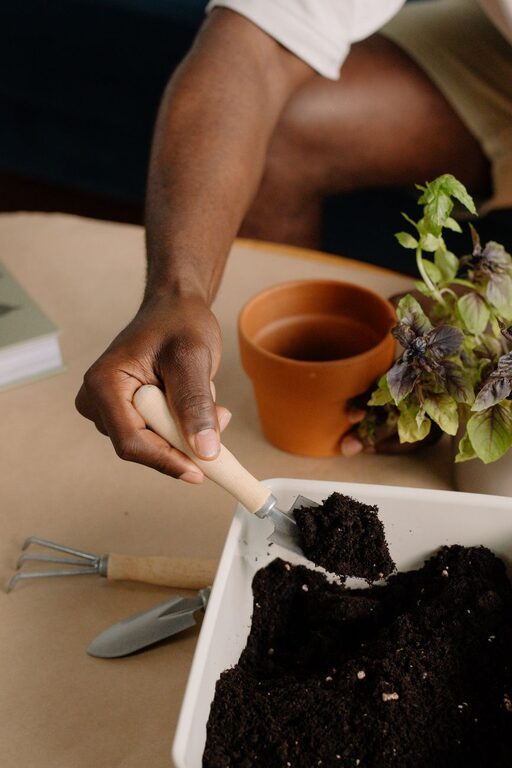
Growing your own herbs indoors is a rewarding and practical way to bring fresh flavors to your cooking while adding a touch of greenery to your home. Whether you have a sunny windowsill or a small corner in your kitchen, starting a small herb garden indoors is easier than you might think. This guide covers everything you need to know to get started, from selecting the right herbs to caring for your plants.
Why Grow Herbs Indoors?
Indoor herb gardens offer several benefits:
– Fresh herbs at your fingertips for cooking
– Year-round growing, regardless of climate or season
– Improved indoor air quality and a pleasant aroma
– A fun, educational hobby for all ages
With minimal space and tools, you can create a thriving herb garden that enhances your home environment.
Choosing the Right Herbs
Not all herbs are equally suited for indoor gardening. Start with easy-to-grow varieties that thrive in pots and limited light, such as:
– Basil: Perfect for sunny spots; great for Italian dishes.
– Mint: Grows quickly and can tolerate some shade.
– Parsley: Prefers moderate light and regular watering.
– Thyme: Drought-tolerant and needs plenty of sun.
– Chives: Adapt well to indoor conditions and need bright, indirect light.
– Cilantro: Likes cooler temperatures and medium light.
Choose 3-5 herbs based on your cooking preferences and the space available.
Selecting Containers and Soil
Containers
Choose containers with good drainage holes to prevent waterlogging, which can lead to root rot. You can use:
– Small pots made of ceramic, terracotta, or plastic
– Recycled containers with added drainage holes
– Herb garden kits with built-in trays and drainage
Make sure each container is appropriate for the size of the herb’s root system.
Soil
Use a high-quality potting mix designed for indoor plants. Avoid using garden soil, as it can compact and bring pests. Look for a soil mix that is:
– Well-draining
– Light and fluffy
– Rich in organic matter
You can also mix in some perlite or sand to improve drainage.
Finding the Best Spot for Your Herb Garden
Most herbs need at least 6 hours of sunlight per day. The best spots indoors include:
– South-facing windowsill for maximum sunlight
– East or west-facing windows that get morning or afternoon sun
– Under grow lights if natural light is insufficient
Rotate your plants every week to ensure even light exposure and steady growth.
Planting Your Herbs
Using Seeds
Starting from seeds can be satisfying but requires more patience. Follow seed packet instructions:
- Fill containers with potting mix.
- Moisten the soil lightly.
- Plant seeds at the recommended depth.
- Cover lightly with soil and mist with water.
- Keep containers warm and moist until seedlings emerge.
Using Starter Plants
For a quicker start, buy young herb plants from a nursery. Transplant them into your containers by:
- Gently loosening the roots.
- Placing the plant in the pot.
- Filling around it with potting mix.
- Watering thoroughly.
Care and Maintenance Tips
Watering
Herbs prefer evenly moist soil but not soggy. Check soil moisture by sticking your finger about an inch deep. Water when it feels dry. Avoid overwatering to prevent root rot.
Fertilizing
Feed your herbs every 4-6 weeks with a balanced, water-soluble fertilizer diluted to half strength. Over-fertilizing can reduce flavor quality.
Pruning and Harvesting
Regularly pinch or trim herbs to promote bushier growth. Harvest leaves as needed, but avoid cutting more than one-third of the plant at a time to keep it healthy.
Pest Management
Indoor herbs usually face fewer pest problems, but watch for common issues like aphids or spider mites. Wipe leaves with a damp cloth or use insecticidal soap if needed.
Troubleshooting Common Problems
– Leggy growth: Usually a sign of insufficient light; move plants to a brighter spot.
– Yellow leaves: Can indicate overwatering or poor drainage.
– Wilting: Often caused by underwatering or root bound plants needing repotting.
– Slow growth: Check light, water, and nutrient levels.
Enjoying Your Indoor Herb Garden
Incorporate your fresh herbs in everyday meals such as salads, soups, sauces, and teas. Creating an herb garden indoors not only enhances your cooking but also connects you with nature in a small, manageable way.
Starting small and learning as you grow will make your indoor herb gardening experience enjoyable and successful. With a bit of care, soon you’ll have a vibrant kitchen garden right at your fingertips!
About the Author