Reducing food waste at home is a great way to save money, minimize environmental impact, and make the most of the food you buy. Every year, millions of tons of edible food are thrown away, often because of poor planning, improper storage, or misunderstanding expiration dates. With some simple changes to your habits, you can significantly decrease the amount of food that ends up in the trash. Here are practical strategies to get started.
Understand Food Waste and Why It Matters
Before diving into tips, it’s important to understand what food waste is. Food waste refers to food that is safe and nutritious to eat but is discarded either before or after it spoils. This waste contributes to unnecessary greenhouse gas emissions, wastes water and energy used in food production, and strains landfill sites.
By reducing waste at home, you not only save money but also play a part in protecting resources and combating climate change.
Plan Your Meals Ahead
Make a Weekly Meal Plan
Creating a meal plan for the week helps you buy only what you need and reduces impulse purchases. List out meals and snacks, then check what ingredients you already have before shopping.
Write a Detailed Grocery List
Stick to your shopping list when at the store to avoid buying excess food that might go unused.
Shop Smart
Try shopping once a week, so food stays fresh longer and you avoid multiple trips that encourage buying more than necessary.
Store Food Properly
Proper storage can extend the life of fruits, vegetables, dairy products, and leftovers.
Use Clear Containers
Store leftovers and prepped foods in clear containers so you can see what you have, reducing the chance they get forgotten.
Understand Storage Requirements
Some foods last longer in the fridge; others are better stored at room temperature. For example, keep tomatoes and potatoes out of the fridge, but refrigerate berries and leafy greens.
Maintain Your Fridge Temperature
Set your fridge temperature between 35°F and 38°F (1.6°C to 3.3°C) for optimal freshness.
Use Leftovers Creatively
Instead of tossing leftovers, find ways to transform them into new meals.
Repurpose Cooked Vegetables
Combine leftover veggies into soups, stews, or stir-fries.
Make Stock from Scraps
Save vegetable peelings, bones, and herbs to make homemade broth.
Incorporate Leftover Proteins
Add leftover chicken or beans to salads, wraps, or pasta dishes.
Practice Portion Control
Serving appropriate portion sizes can help prevent uneaten food from being wasted.
Start Small, Go Back for Seconds
Serve smaller amounts first and allow family members to take more if they’re still hungry.
Store Extras Immediately
If someone doesn’t finish their meal, save the leftovers promptly instead of leaving them to spoil.
Monitor Expiration Dates Wisely
Expiration dates can be confusing. There’s “sell by,” “best by,” and “use by,” which don’t always mean the food is unsafe after that date.
Use the “First In, First Out” Method
Organize your pantry and fridge so older products get used before newer ones.
Trust Your Senses
Look, smell, and taste food carefully to decide if it’s still good rather than relying solely on dates.
Compost What You Can’t Use
Even with careful planning, some food scraps are inevitable.
Start a Compost Bin
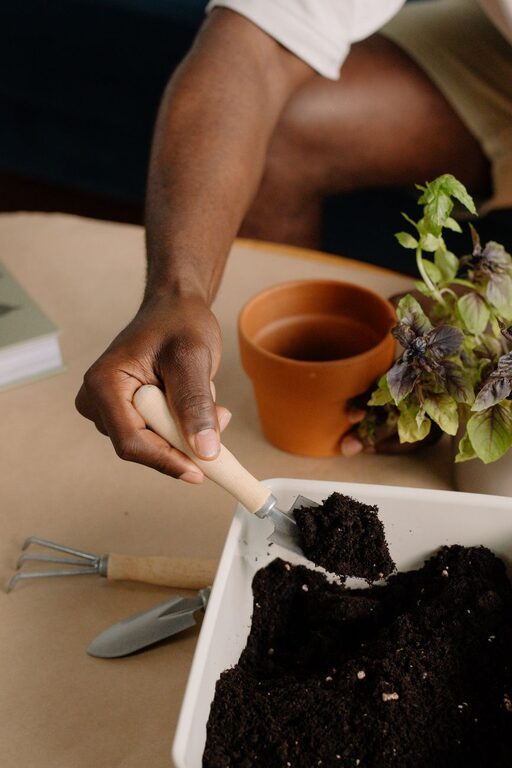
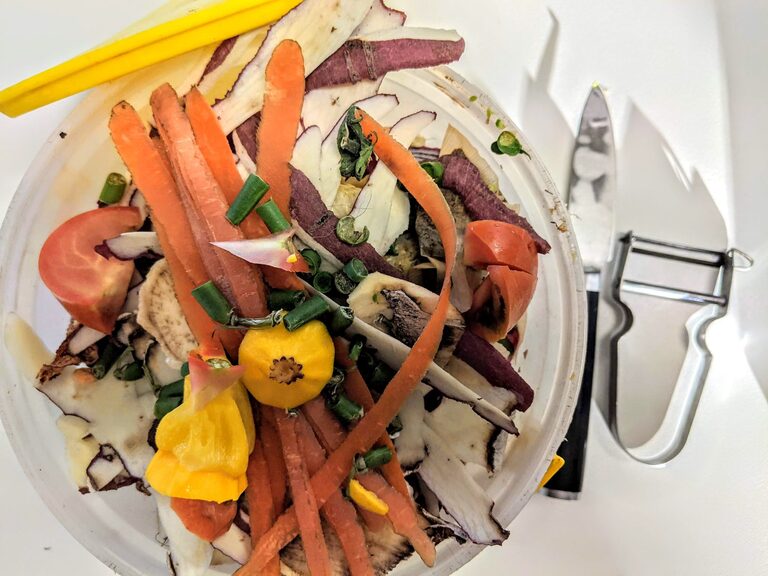
Composting fruit and vegetable scraps, coffee grounds, and eggshells can reduce landfill waste and create nutrient-rich soil for gardening.
Use Municipal Compost Programs
Check if your city offers curbside compost pickup or community compost sites.
Educate Your Household
Encourage everyone in your home to be mindful about food waste.
Share Tips and Goals
Make reducing food waste a shared goal with clear tips for shopping, cooking, and cleaning up.
Get Kids Involved
Involve children in planning meals, cooking, and composting to build lifelong habits.
Summary: Small Changes Add Up
Reducing food waste at home doesn’t require drastic measures. By planning meals, storing food properly, using leftovers creatively, and composting scraps, you’ll save money and help the planet. Start with a few steps that fit your lifestyle and build from there—each effort contributes to a more sustainable home.
—
With a little awareness and simple habits, everyone can make a difference. What’s one change you’ll try this week to reduce food waste? Share your ideas in the comments!
About the Author